
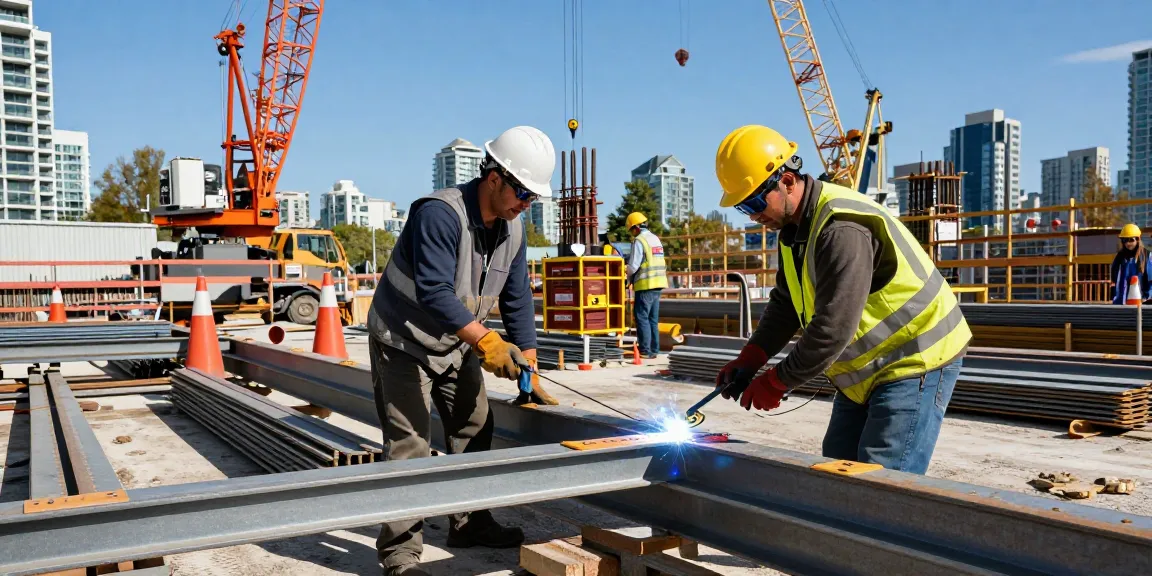
Understanding the Role of a Commercial Steel Company
The foundation of modern construction relies heavily on steel, particularly when considering the functions of a commercial steel company. These companies specialize in providing the necessary materials and solutions that meet the demands of both residential and commercial projects. By understanding the role and importance of a commercial steel company, clients can make informed decisions that affect the success and longevity of their construction endeavors.
What Defines a Commercial Steel Company?
A commercial steel company typically specializes in the fabrication and installation of steel structures such as buildings, bridges, and other infrastructures. Unlike metalworking companies that may focus on artistic or decorative metal pieces, commercial steel companies prioritize functionality, durability, and compliance with building codes. They manage large-scale projects that require precise engineering and construction expertise, ensuring that each element meets stringent quality control standards.
The Importance of Steel in Construction
Steel has become a staple in the construction industry due to its remarkable strength-to-weight ratio, durability, and versatility. Unlike materials such as wood or concrete, steel can withstand extreme weather conditions and significant weight loads, making it ideal for both structural frameworks and architectural designs. Steel’s adaptability allows for a variety of finishes and coatings, facilitating aesthetic customization while maintaining structural integrity. Furthermore, the recyclability of steel contributes to sustainable building practices, making it an environmentally friendly option for modern construction.
How to Choose the Right Commercial Steel Company
Selecting a commercial steel company involves several considerations to ensure that the chosen provider meets the project’s specific needs. Potential clients should assess the company’s experience, portfolio of completed projects, and references from previous clients. It’s essential to inquire about their manufacturing processes, quality assurance protocols, and adherence to safety standards. Additionally, understanding their capacity to handle both small and large-scale projects can help in making an informed decision.
Key Services Offered by Commercial Steel Companies
Commercial steel companies provide a wide range of services that cater to various aspects of construction and metalworking. Their offerings go beyond mere fabrication, extending into innovative design solutions that enhance both functionality and aesthetics in building projects.
Custom Steel Fabrication Processes
Custom steel fabrication is a core service of commercial steel companies, allowing for the creation of bespoke structures tailored to the client’s specifications. This process often includes cutting, welding, and finishing steel components to fit the unique requirements of each project. Advanced techniques such as laser cutting and CNC machining are commonly employed to achieve precision and efficiency. This level of customization ensures that the steelwork not only meets structural requirements but also aligns with the overall architectural vision.
Structural Steel Solutions for Various Industries
Commercial steel companies serve diverse industries including residential, commercial, and industrial sectors. They create structural steel solutions such as beams, columns, and trusses that are essential for scaffolding and framework in large buildings. By understanding specific industry needs, these companies can provide tailored services that comply with regulatory standards and ensure safety in construction practices.
Innovative Metalwork and Design Services
In addition to traditional fabrication services, commercial steel companies often offer innovative metalwork and design solutions. This includes the creation of artistic metal installations, custom railings, gates, and ornamental designs that enhance the aesthetic appeal of buildings. Incorporating modern design trends and materials into their offerings allows these companies to cater to clients looking for a unique and personalized touch in their projects.
Best Practices for Collaborating with Your Chosen Steel Company
Effective collaboration with a commercial steel company is crucial for the success of any project. Understanding how to communicate and manage the partnership can lead to better outcomes and smoother project execution.
Communicating Project Objectives Clearly
Clear communication regarding project objectives is vital. Clients should provide detailed specifications, timelines, and budget constraints to ensure that the steel company thoroughly understands the project requirements. Regular updates and open channels of communication can help to preemptively address any potential issues, fostering a collaborative environment.
Understanding Pricing Structures in Steel Fabrication
Pricing in commercial steel fabrication can vary widely based on materials, design complexity, and labor costs. Clients should request a detailed quotation that breaks down costs for materials, labor, and any additional services. Understanding this structure ensures clients can budget effectively and avoid unexpected expenses down the line.
Ensuring Compliance with Safety Standards
Safety is paramount in any construction project. Clients should ensure that their chosen steel company adheres to all relevant safety standards and regulations. This includes verifying certifications, training of personnel, and the implementation of safety measures during fabrication and installation processes. Regular checks and balances can improve project safety and protect both workers and the public.
Common Challenges Faced by Commercial Steel Companies
The landscape of the commercial steel industry is fraught with challenges that can impact service delivery and project outcomes. Understanding these challenges can help clients manage expectations and improve collaboration.
Managing Supply Chain and Material Costs
Steel prices can fluctuate based on market demand, availability, and global economic factors. Commercial steel companies must navigate these variables while maintaining competitive pricing for their services. Effective supply chain management and strategic sourcing are essential to mitigate rising costs and ensure project timelines remain unaffected.
Adapting to Market Trends and Innovations
The construction industry is continuously evolving, driven by technological advancements and changing regulations. Commercial steel companies must stay abreast of these changes, incorporating new techniques and materials into their practices. This not only enhances their service offerings but also positions them favorably against competitors who may lag in adopting innovative solutions.
Addressing Quality Assurance in Fabrication
Quality assurance is critical in steel fabrication, as defects can lead to costly delays and safety violations. Commercial steel companies need to implement rigorous quality control measures at every stage of production. This includes regular inspections, testing of materials, and compliance with established engineering standards. Adopting a quality-centric approach can significantly enhance the reputation and reliability of a steel company.
The Future of Commercial Steel Companies in 2026
The landscape of commercial steel companies is set to transform significantly by 2026, driven by technological innovations, sustainability initiatives, and changing consumer preferences. Understanding these trends can help clients prepare for the future of construction practices.
Emerging Technologies in Steel Fabrication
Technological advancements such as automation, artificial intelligence, and robotics are reshaping the steel fabrication process. These innovations can enhance efficiency, reduce waste, and improve precision in manufacturing practices. As a result, commercial steel companies that adapt to these technologies are likely to see increased productivity and improved project outcomes.
Sustainability Trends in Steel Production
Sustainability is becoming a focal point in construction as clients increasingly demand eco-friendly materials and practices. Commercial steel companies are responding by adopting greener fabrication methods, utilizing recyclable materials, and minimizing waste. Incorporating sustainability into their operations not only appeals to environmentally conscious clients but also aligns with global efforts to combat climate change.
What Clients Can Expect in the Next Decade
As the construction industry evolves, clients can expect a shift towards more integrated project delivery approaches. This means greater collaboration between steel companies, architects, and contractors to streamline processes and enhance efficiency. Additionally, with a rising emphasis on technology and sustainability, clients should look for commercial steel companies that prioritize these aspects in their service offerings.
How Do Steel Companies Ensure Safety?
Safety in steel construction is ensured through comprehensive training of all personnel, regular safety audits, and adherence to industry regulations. Companies that prioritize safety foster a culture of accountability and vigilance among their workers, which is crucial in mitigating risks associated with construction activities.
What Factors Affect Steel Pricing?
Several factors influence steel pricing, including raw material costs, manufacturing processes, transportation expenses, and market demand. Clients can better manage their budgets by understanding these dynamics and working closely with their chosen steel company to anticipate potential fluctuations.
Why Is Quality Assurance Critical in Steel Fabrication?
Quality assurance is crucial in steel fabrication to ensure the structural integrity and safety of buildings. Any faults in the fabrication process can lead to significant safety risks and financial repercussions for clients. Therefore, stringent quality control measures throughout the production cycle are essential.
What Innovations Are Shaping the Future of Steel?
Innovations such as 3D printing and modular construction are starting to shape the future of steel. These technologies offer unprecedented design flexibility and efficiency, allowing for faster project completion while maintaining high-quality standards. Companies that embrace these innovations will likely lead the market in the coming years.
How to Evaluate a Steel Company’s Track Record?
Evaluating a steel company’s track record involves reviewing their portfolio of completed projects, client testimonials, and industry accreditations. Prospective clients should seek out companies with a proven history of reliability and excellence in fabrication and installation.
